The Problem with Hidden Leaks
Not every plumbing leak announces itself with a puddle on the floor. Some of the most expensive water damage we see in homes across Esparto, Woodland, and Davis comes from leaks that went undetected for weeks or months — behind walls, under slabs, or beneath the foundation.
A single hidden leak can waste over 10,000 gallons of water per year and cause mold, wood rot, and foundation damage that costs far more to fix than the leak itself.
How to Check for Hidden Leaks at Home
Monitor Your Water Meter
Turn off every faucet, appliance, and irrigation system in your home. Go to your water meter and note the reading. Wait 2 hours without using any water, then check the meter again. If it moved, you have a leak somewhere.
Check Your Water Bill
A sudden increase in your water bill with no change in usage is one of the clearest signs of a hidden leak. Compare your current bill to the same month last year. If it's significantly higher, investigate.
Look for Visible Clues
- Stained or sagging ceilings — Water from an upstairs leak travels down and collects above drywall
- Warped or buckling flooring — Moisture under hardwood, laminate, or vinyl causes swelling
- Musty smell — A persistent musty or moldy odor, especially in bathrooms or basements, often means hidden moisture
- Paint bubbling or peeling — Moisture behind walls pushes paint off the surface
- Warm spots on the floor — A hot water line leak under a slab creates noticeable warm areas on tile or concrete floors
Listen for Running Water
When everything in your home is off, listen carefully near walls and floors. The sound of running or dripping water when no fixtures are in use points to a hidden leak.
Check Your Water Heater Area
The area around your water heater is a common leak source. Check the base of the tank, inlet and outlet connections, and the temperature/pressure relief valve for any signs of dripping or moisture.
Common Locations for Hidden Leaks
- Under concrete slabs — Slab leaks are common in California homes built on concrete foundations. Copper pipes under the slab corrode over time, especially in areas with mineral-heavy water like parts of Yolo and Solano counties.
- Behind walls — Supply lines and drain pipes running through walls can develop pinhole leaks at joints and fittings.
- Toilet flanges and seals — A failed wax ring under a toilet leaks water into the subfloor with every flush, often unnoticed until the floor feels soft.
- Irrigation and outdoor lines — Underground irrigation pipes crack from root intrusion, ground shifting, or freezing temperatures in areas like Winters and Knights Landing.
- Water heater connections — Slow drips at supply line fittings or the T&P valve often go unnoticed behind the unit.
When to Call a Professional
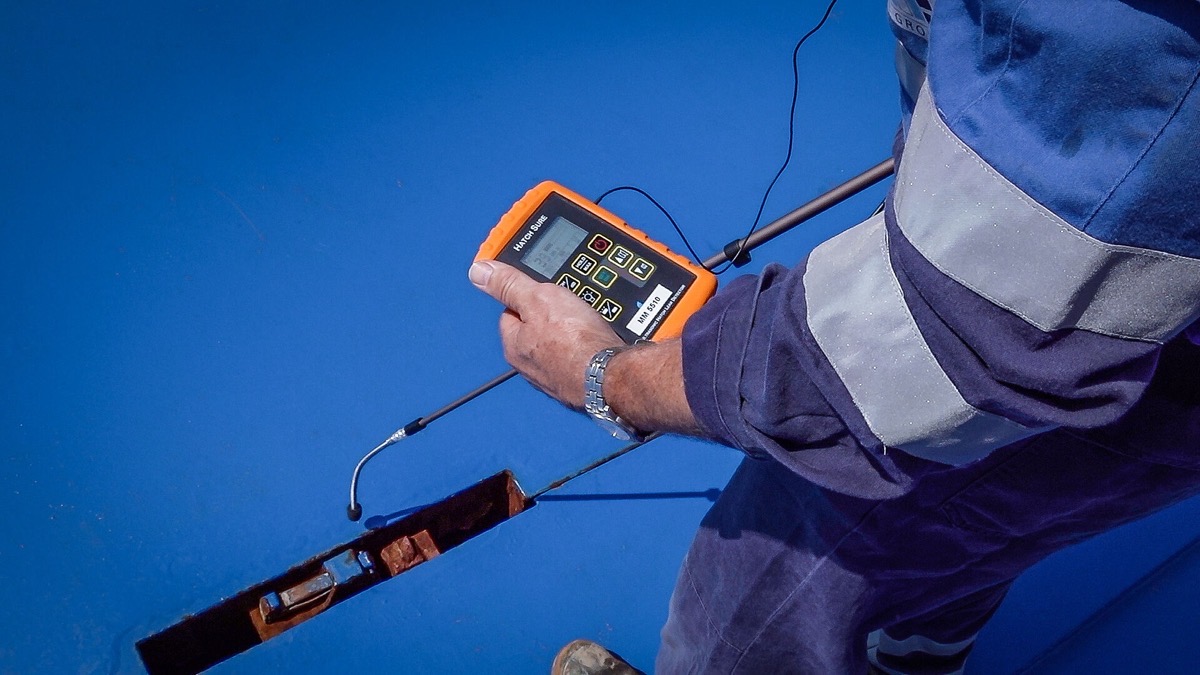
DIY checks can identify symptoms, but finding the exact location of a hidden leak requires professional equipment. Ameca Plumbing uses electronic leak detection and thermal imaging to pinpoint leaks without tearing open walls or floors unnecessarily.
Call a leak detection plumber if you notice:
- Your water bill keeps climbing with no explanation
- You can hear water running but can't find the source
- Mold or mildew keeps appearing in the same area after cleaning
- Your water meter moves when all water is shut off
- Cracks are forming in your foundation or walls
Act Fast on Leaks
Water damage compounds over time. What starts as a small drip becomes mold growth in 24–48 hours, wood rot in weeks, and foundation issues in months. The sooner you find and fix a leak, the less it costs.
Ameca Plumbing provides leak detection and repair for homeowners in Esparto, Woodland, Davis, Dixon, Vacaville, Fairfield, West Sacramento, Sacramento, Napa, and throughout Northern California.
Call (530) 344-3615 or (707) 670-1841 for leak detection service.